Europäisches Erbe
Alle Bilder sind Geschöpfe der Augen, die sie schauen. https://t.me/europeanart
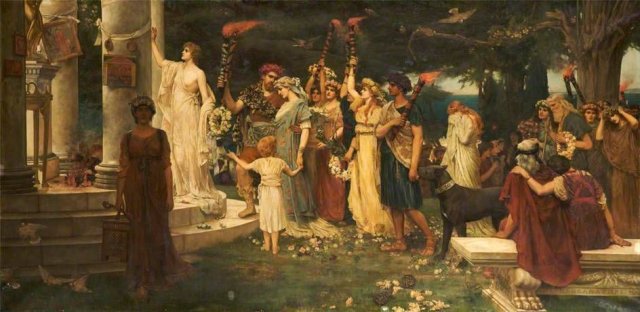
The Temple of Eros (1883). Herbert Gustave Schmalz (English, 1856-1935).
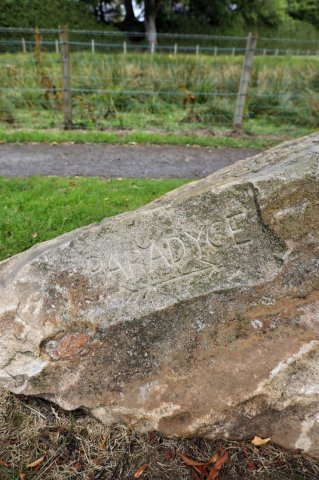
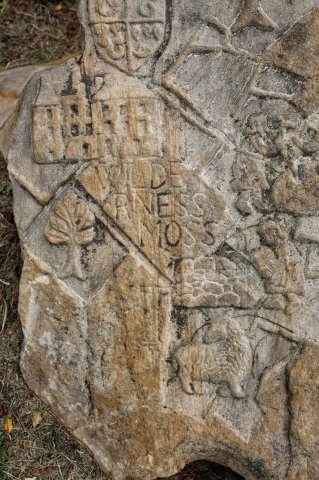
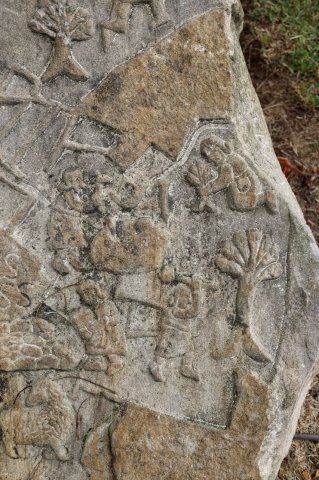

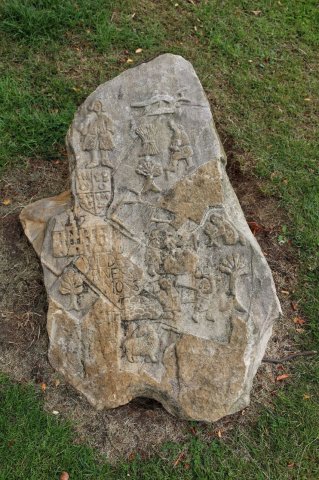
Kemnay Improving Laird Steen, Kemnay, Aberdeenshire, Scotland.
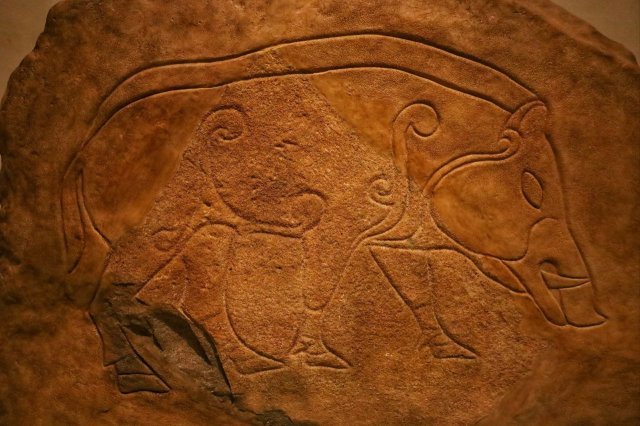
Pictish symbol stone depicting a boar. The early medieval stone was found at Dores (near Inverness), Scotland.
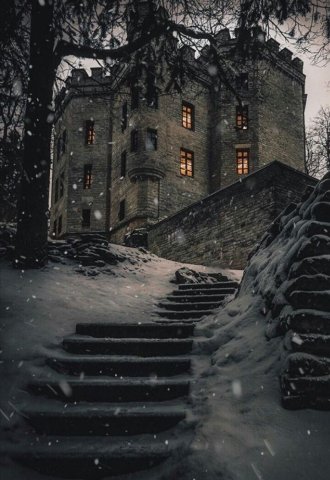
Glehn’s Castle, Tallinn, Estonia.
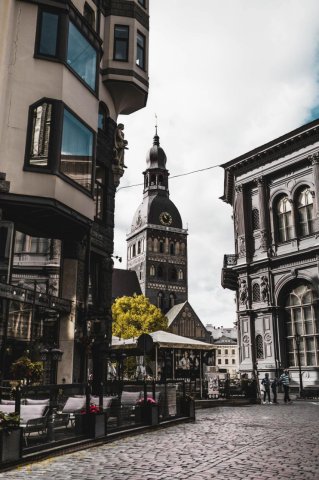
Riga, Latvia.
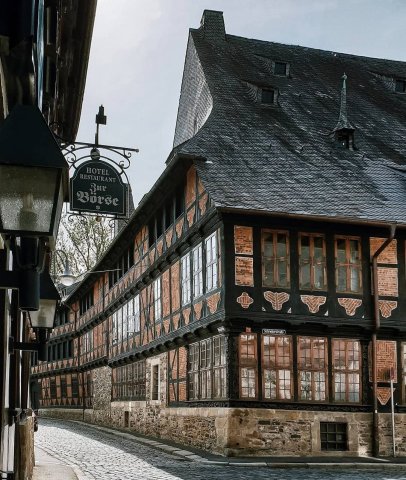
Goslar, Germany.
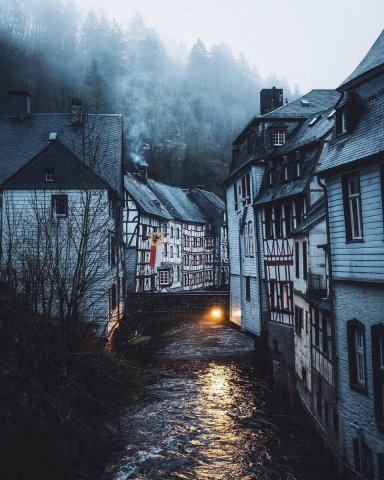
Monschau, Germany.

Lofoten, Norway.

Dresden, Saxony, Germany.
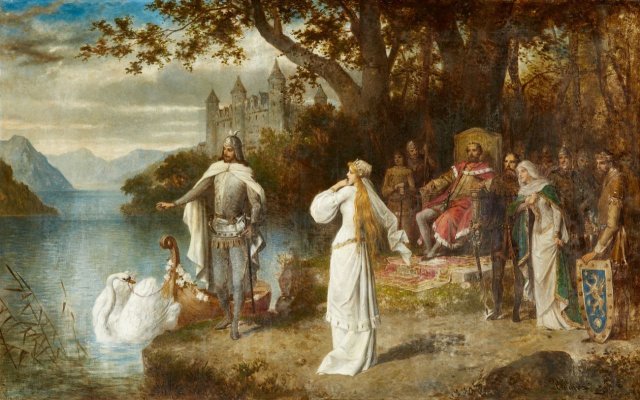
The Arrival of Lowengrin (c. 1900). Carl Schweninger the Younger (Austrian, 1854-1912).
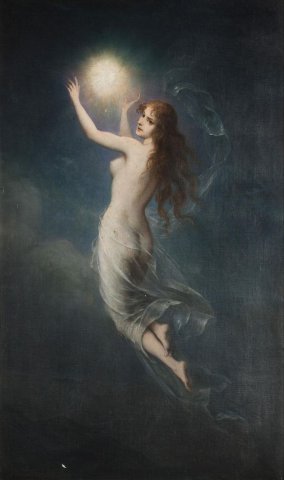
Morgenstern (c. 1903). Carl Schweninger der Jüngere (German, 1854-1912).
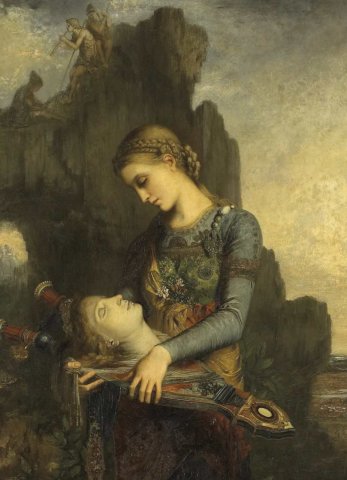
Gustaf Moreau - "Orpheus"
1865
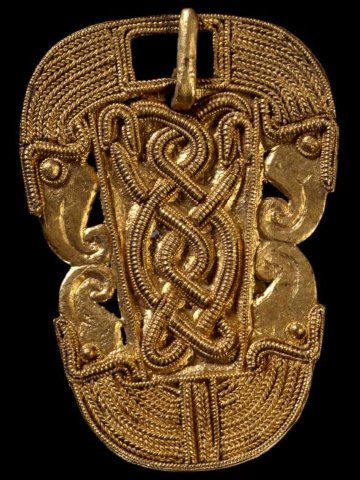
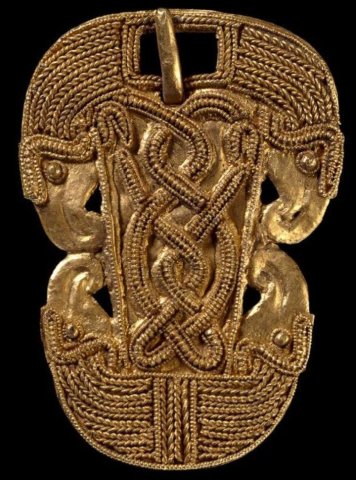
Filigree buckles from Faversham
A pair of miniature buckles is one of the best examples of filigree known from the early Anglo-Saxon period. Each buckle is cut from gold sheet which has been shaped and engraved to show two pairs of back-to-back birds' heads in the characteristic Germanic Animal Style II.
The birds have larges eyes in the form of gold granules, and their heads are indicated by angled frames and strongly curved beaks. Birds of prey appear to have been an important part of the mindscape of all Germanic peoples, as they occur in many different guises.
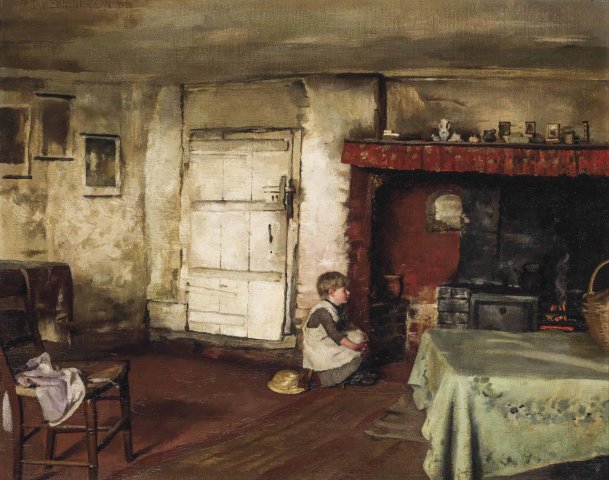
The Warmth of the Fire (1885). Thomas Benjamin Kennington (English, 1856-1916).
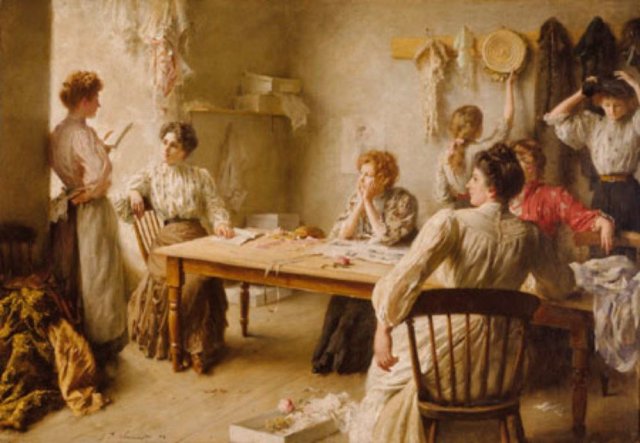
Relaxation (c. 1900). Thomas Benjamin Kennington (English, 1856-1916).
Powered by Phoca Gallery