Europäisches Erbe
Alle Bilder sind Geschöpfe der Augen, die sie schauen. https://t.me/europeanart
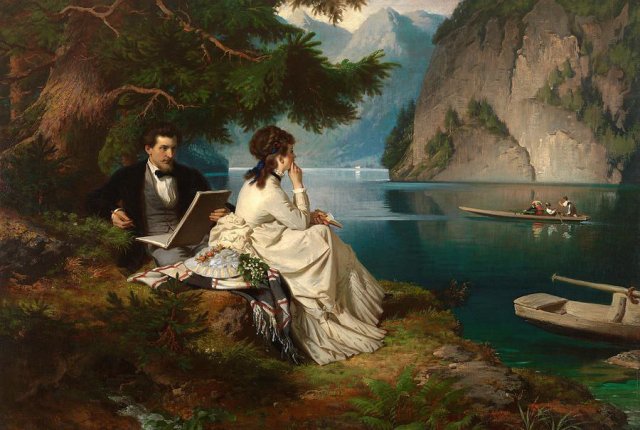
Artist and Muse. Ludwig Thiersch (German, 1825-1909).
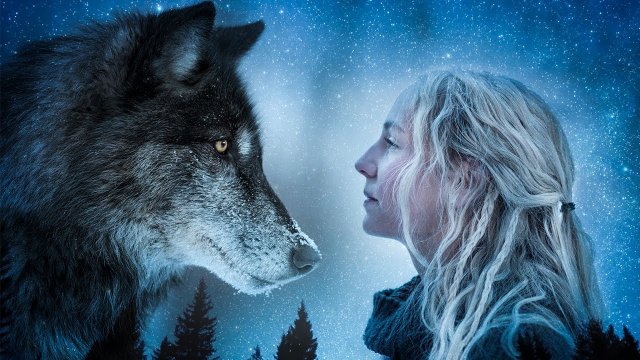
The Wolf Song. Ronja Rövardotter (Ronia the robbers daugther). Jonna Jinton (Contemporary Swedish artist).
Lyrics:
Vargen ylar i nattens skog (The wolf is howling in the forest of the night), Han vill men kan inte sova (He wants to, but cannot sleep), Hungern river i hans varga buk (The hunger tears his wolven stomach), Och det är kallt i hans stova (And it's cold in his burrow), Du varg du varg, kom inte hit (Wolf, wolf, don't you come here), Ungen min får du aldrig ( I will never let you take my child), Vargen ylar i nattens skog (The wolf is howling in the forest of the night), Ylar av hunger o klagar (Howling out of hunger and moaning), Men jag ska ge'n en grisa svans (But I will give him a pig tail), Sånt passar i varga magar (Which suits a wolven stomach), Du varg du varg, kom inte hit (Wolf, wolf, don't you come here), Ungen min får du aldrig ( I will never let you take my child)
https://youtu.be/KTmatjyd4KM
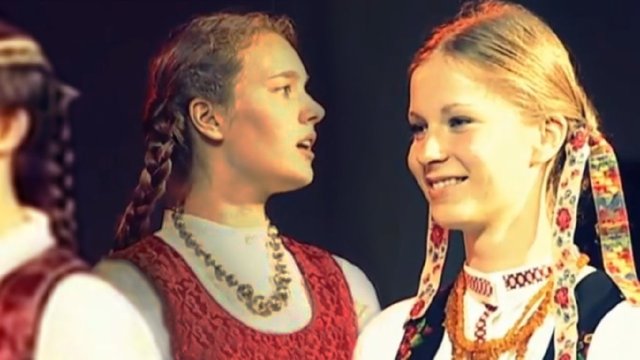
Traditional Midsummer Lithuanian Folk Song.
Translation of the lyrics: Corn-cockle, ye rose, round, who's walking outside? Corn-cockle, ye rose, round, a young lad is walking there. Corn-cockle, ye rose, round, and what is he looking for? Corn-cockle, ye rose, round, he's got his eyes out for a young lassie. Corn-cockle, ye rose, round, and, there, he met a lassie Corn-cockle, ye rose, round, as she was raking the green hay. Corn-cockle, ye rose, round, God bless ye, lassie!
It's about fertility and the continuity of their people, I assume.
https://youtu.be/zeEnhlRteiA
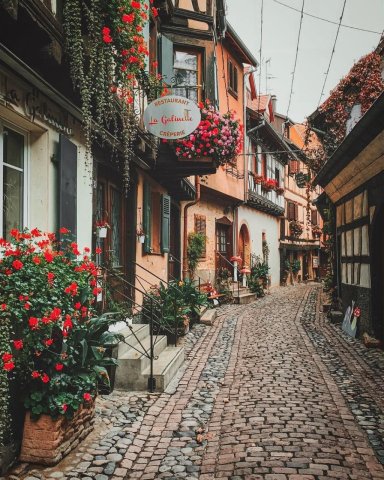
Eguisheim, France.
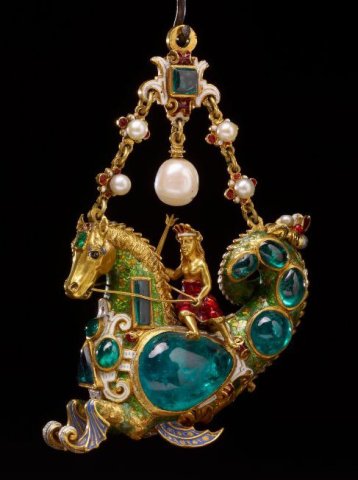
Gold, enamel, pearl, and emerald pendant. Spain, c. 1580.
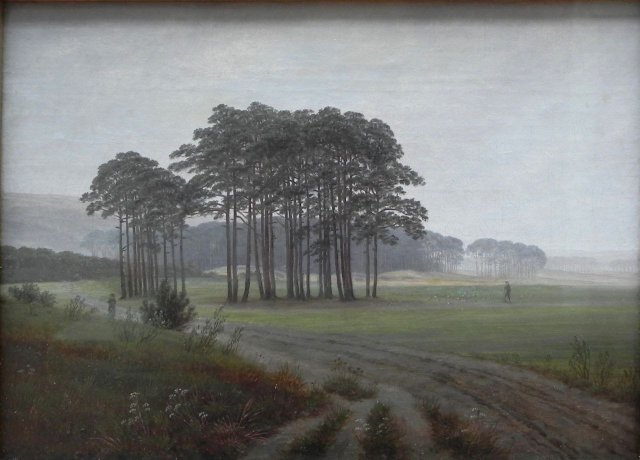
Day (1821). Caspar David Friedrich (German, 1774-1840).
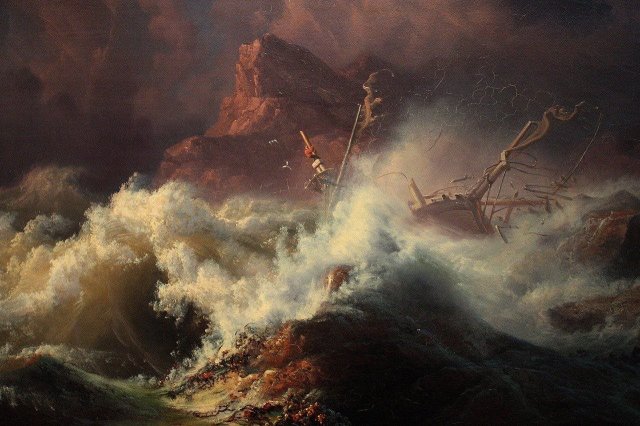
The Wreck (c. 1835). Knud Baade (Norwegian, 1808-1879).
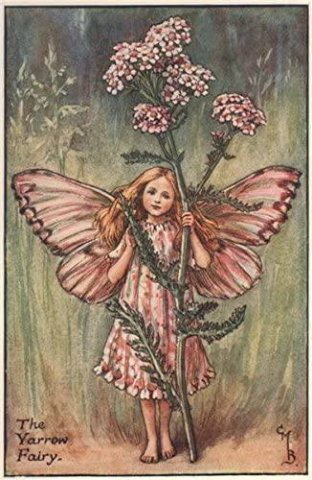
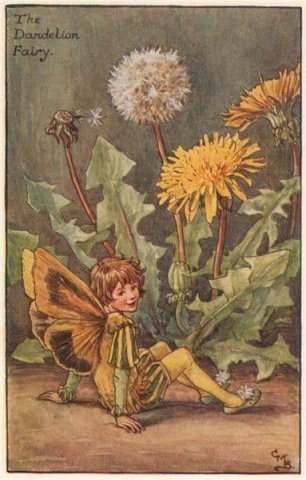
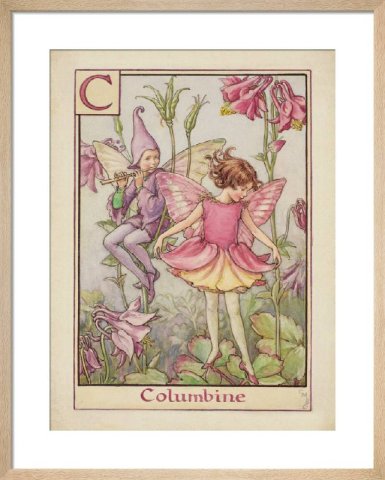
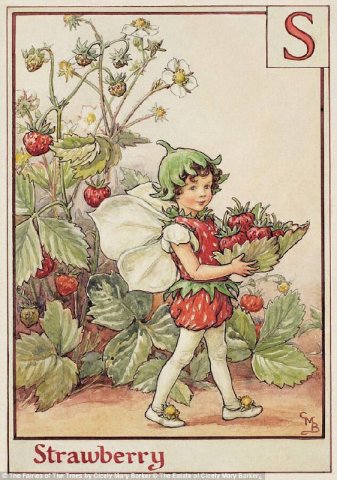
Art by Cicely Mary Barker who was an English illustrator best known for a series of fantasy illustrations depicting fairies and flowers.
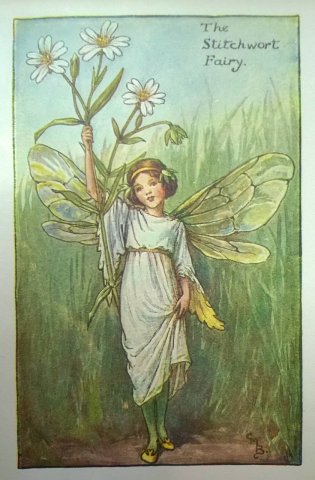
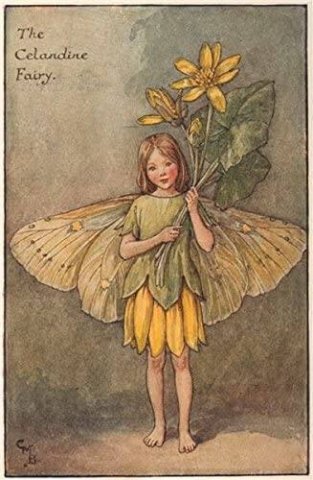
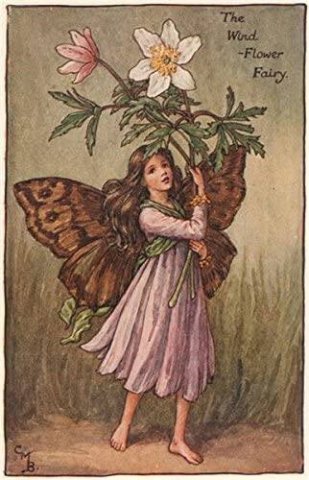
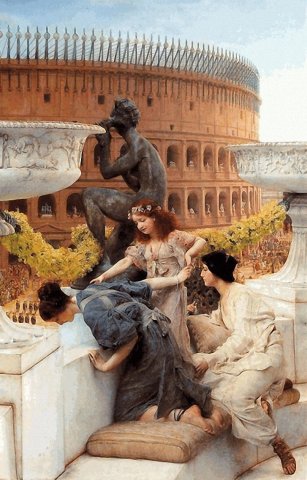
The Colosseum (1896). Lawrence Alma-Tadema (Dutch, 1836-1912).
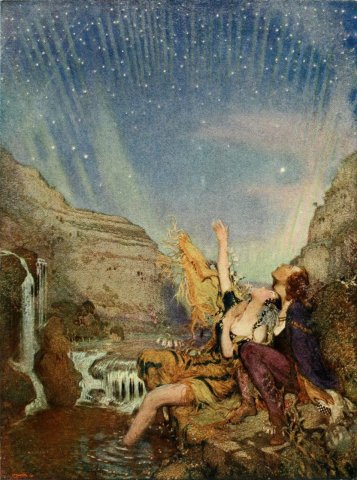
The Polar Star. William Shackleton (English, 1872-1933).
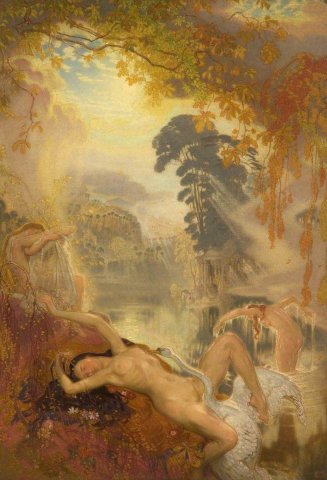
Leda and the Swan. William Shackleton (English, 1872-1933).
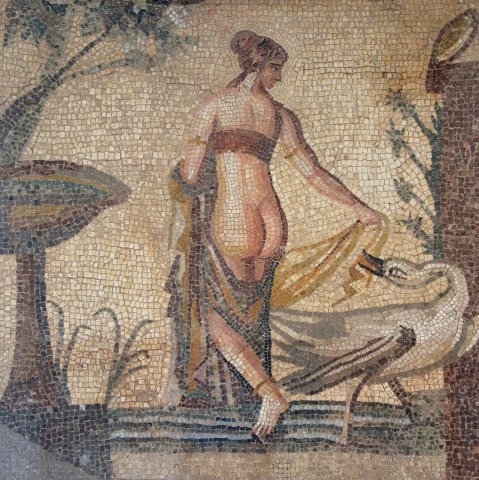
Mosaic depicting Leda and the Swan, once the central panel (emblema) of a mosaic floor discovered in the vicinity of the Sanctuary of Aphrodite at Palaipafos in Cyprus. Late 2nd - early 3rd century CE.
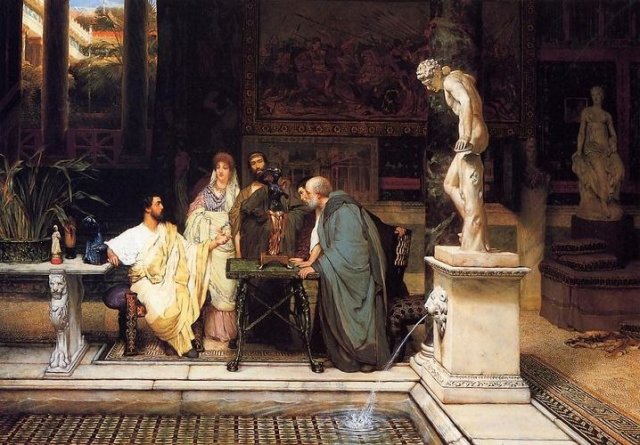
A Roman Art Lover (1868). Lawrence Alma-Tadema (Dutch, 1836-1912).
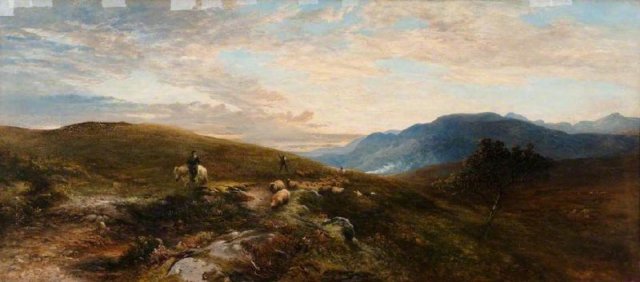
The Drove Road (1865). George Harvey (Scottish, 1806-1876).
Powered by Phoca Gallery