Europäisches Erbe
Alle Bilder sind Geschöpfe der Augen, die sie schauen. https://t.me/europeanart

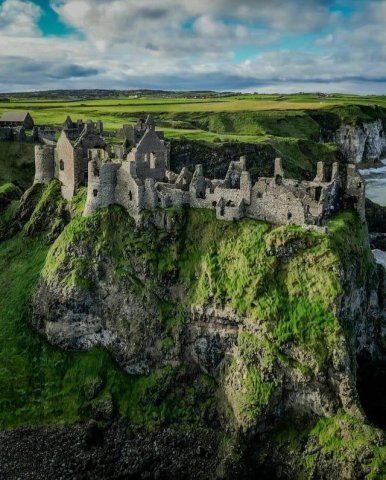
Dunluce Castle, built around the late Middle Ages. The last image in the series shows how it would've looked in its prime. Ireland.
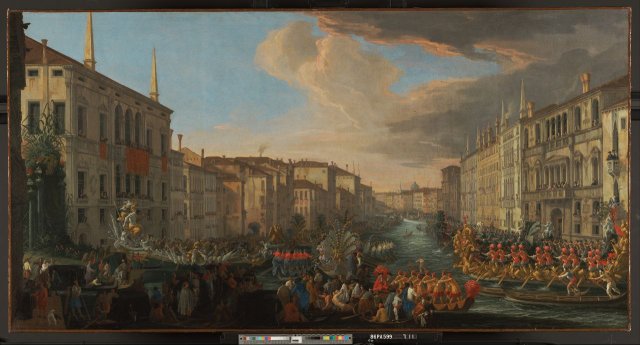
Regatta on the Grand Canal in Honor of Frederick IV of Denmark (1711). Luca Carlevarijs (Italian, 1663-1730).
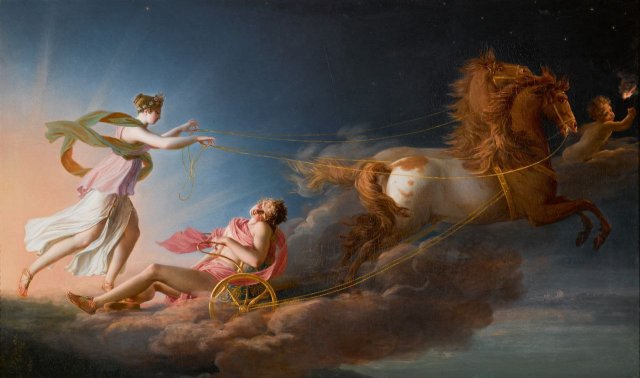
Aurora and Cephalus (c. 1810). French Neoclassical School, 19th Century.

In the Grass (c. 1865). Arthur Hughes (British, 1832-1915).
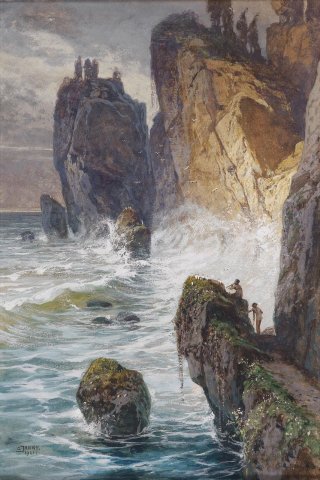
Mythological Motif with Fauns on a Rocky Coast (1921). Georg Janny (Austrian, 1864-1935).
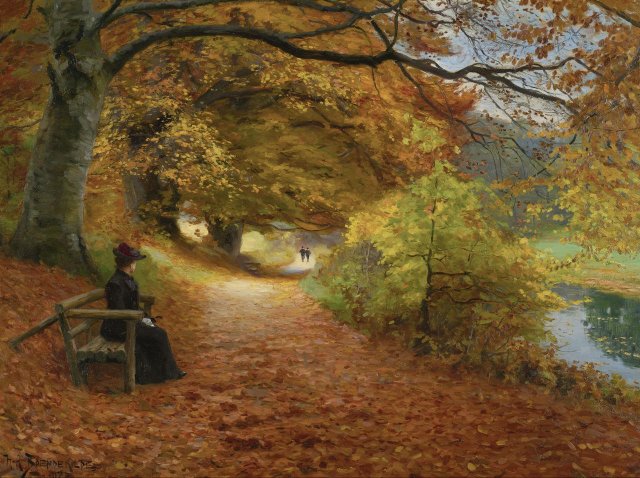
Wooded Path in Autumn (1902). Hans Andersen Brendekilde (Danish, 1857-1942).
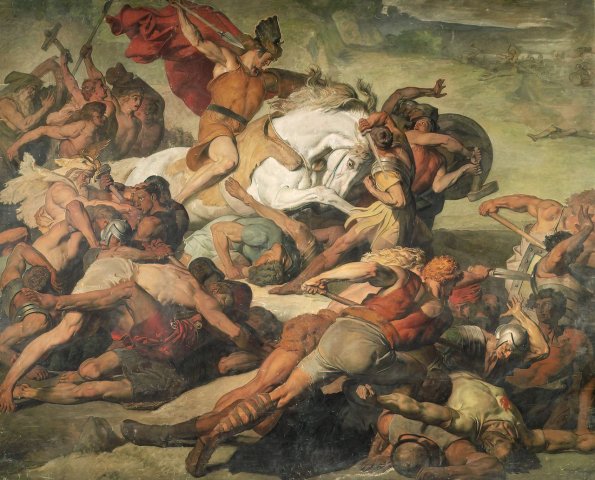
The Victorious Advancing Hermann (Arminius) at the Battle of the Teutoburg Forest in 9 AD (1873). Peter Janssen (German, 1844-1908).
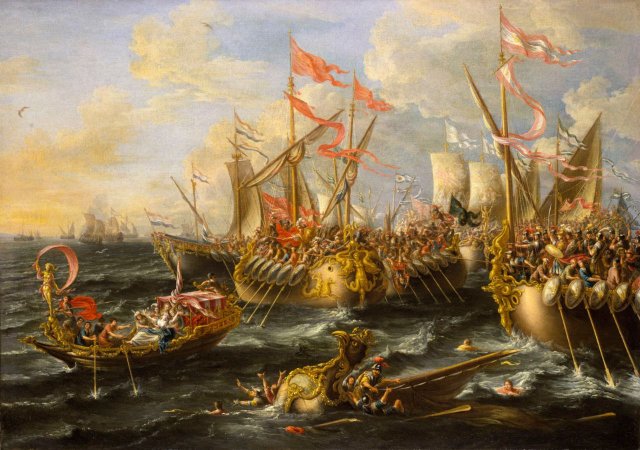
The Battle of Actium, 2 September 31 BC (1672). Laureys a Castro (Flemish, 1664-1700).

The Meeting of Antony and Cleopatra (1885). Lawrence Alma-Tadema (Dutch, 1836-1912).

Utrecht, Netherlands.
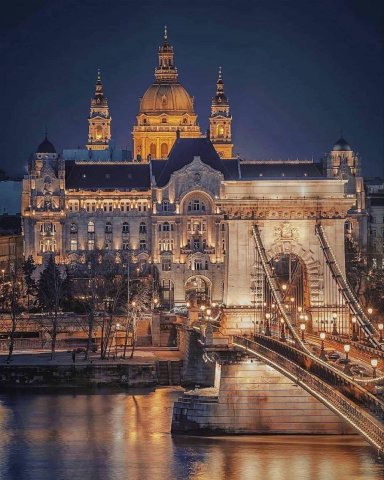
Budapest, Hungary.

Night (c. 1890). Andreas Groll (Austrian, 1850-1907).

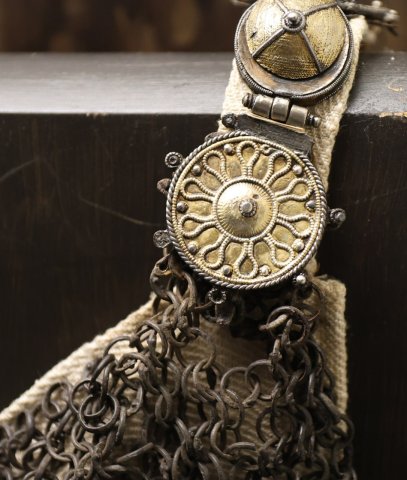
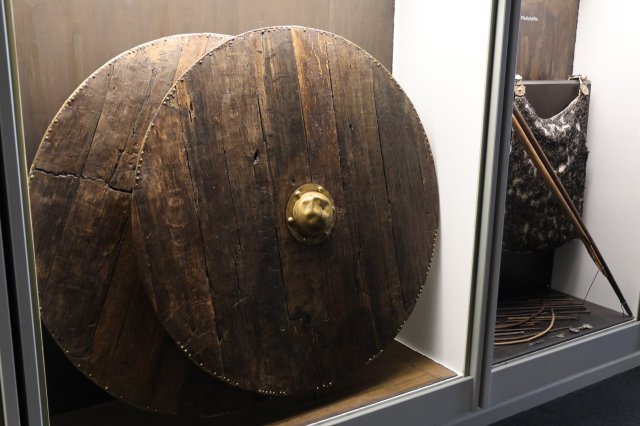
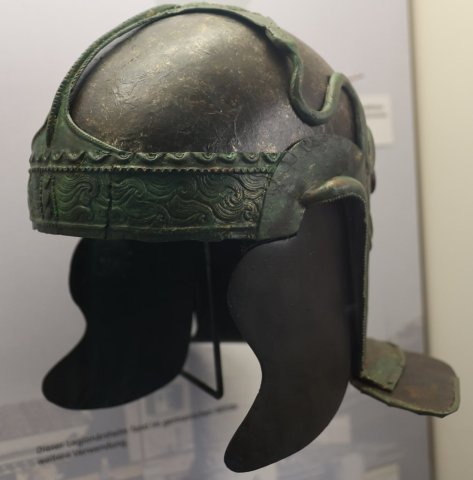
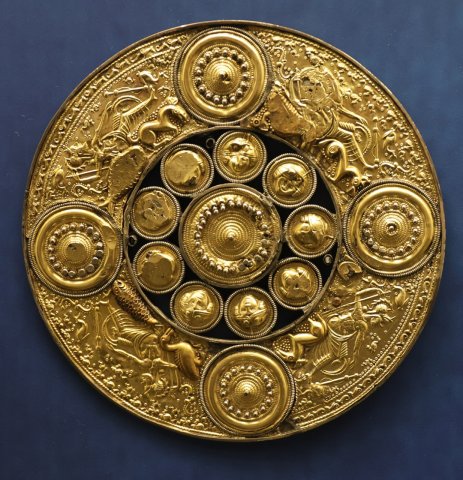
The moors of Denmark and North Germany preserve numerous Iron Age Germanic offerings. While bog bodies may be executed criminals (see Tacitus), and individual deposits of weapons and jewelry, hair and animals are thought to be offerings to the gods, other explanations are proposed for the deposits of vast numbers of bows, arrows, armour, swords, shields, horses and even boats.
One explanation is that because many Germanics from Scandinavia had to pass through this region in order to serve in the Roman army beyond the limes, therefore they raided en route and were sometimes killed by locals who offered the defeated forces to the bogs. Indeed many of the bog finds in Denmark are non-local.
The most important Germanic victim find in Germany is at Thorsberg bog. Offerings were sunk there for over 600 years. Most of the items are weapons and equipment from the beginning of the 3rd c. A.D. a time of heavy Roman influence on Germania.
Pictured are Thorsberg bog finds dated to 200's
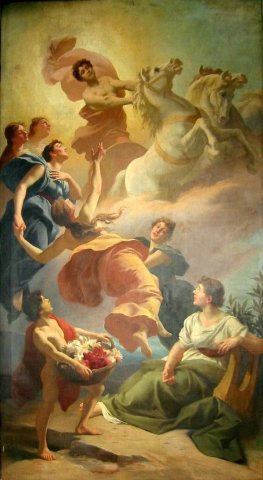
Morning (c. 1890). Andreas Groll (Austrian, 1850-1907).
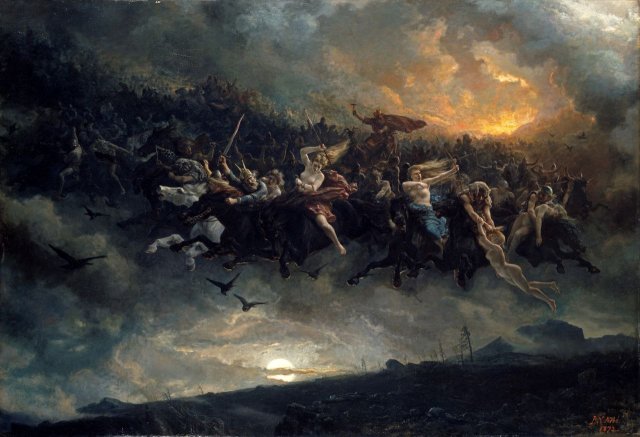
Wild Hunt of Odin (1872). Peter Nicolai Arbo (Norwegian, 1831-1892).
Powered by Phoca Gallery