Europäisches Erbe
Alle Bilder sind Geschöpfe der Augen, die sie schauen. https://t.me/europeanart
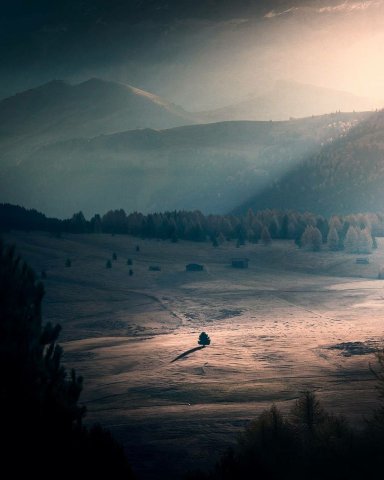


Italian Alps.
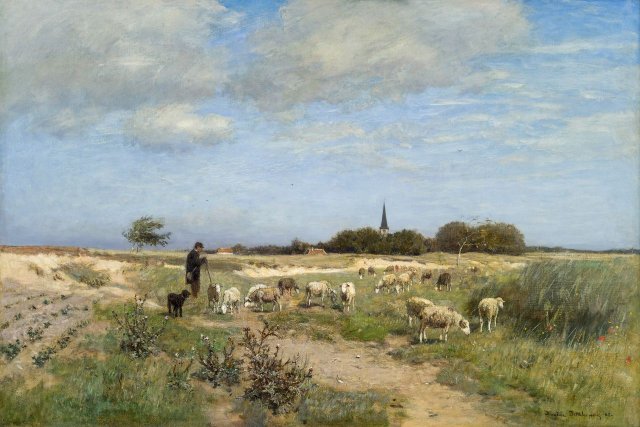
Flock of Sheep in Normandy. Eugen Jettel (Austrian, 1845-1901).
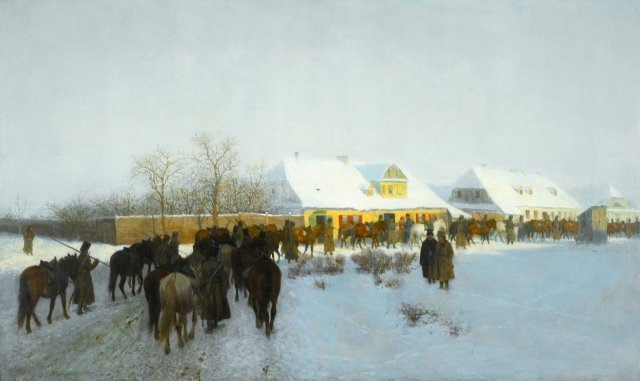
Maksymilian Dionizy Gierymski (Polish, 1846-1874).
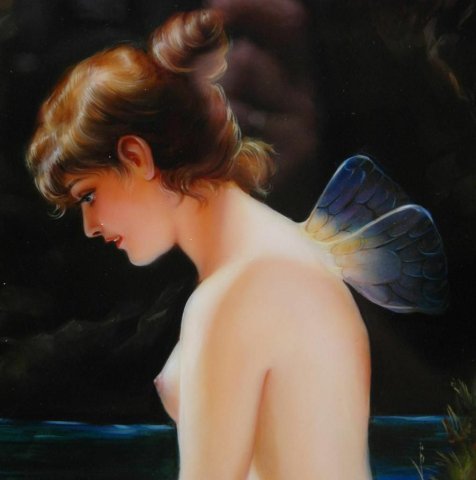
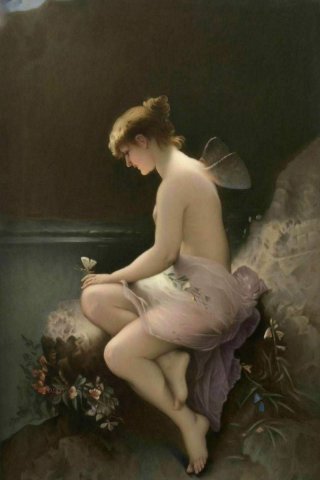
Psyche With a Butterfly. Wilhelm Kray (German, 1828-1889).
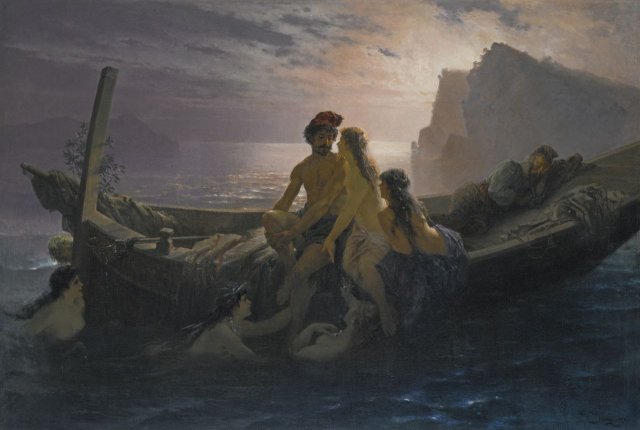
The Sirens, 1874. Wilhelm Kray (German, 1828-1889).

The Night Market Place, Rotterdam, 1844. Petrus van Schendel (Dutch, 1806-1870).
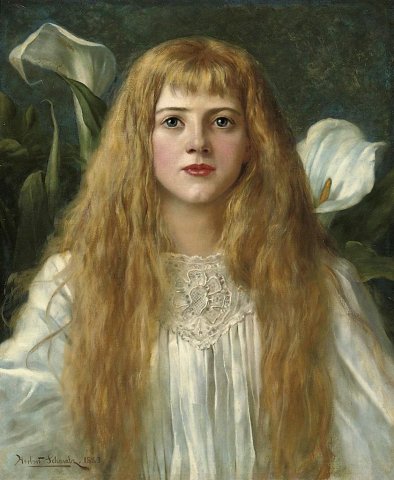
A Fair Beauty. Herbert Gustave Schmalz (English, 1856-1935).
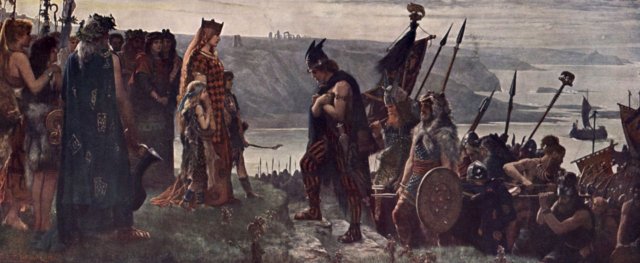
Where is My Lord, the King?, 1887. Herbert Gustave Schmalz (English, 1856-1935).
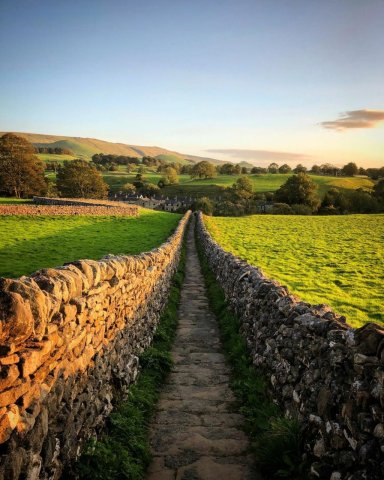
Grassington, England.
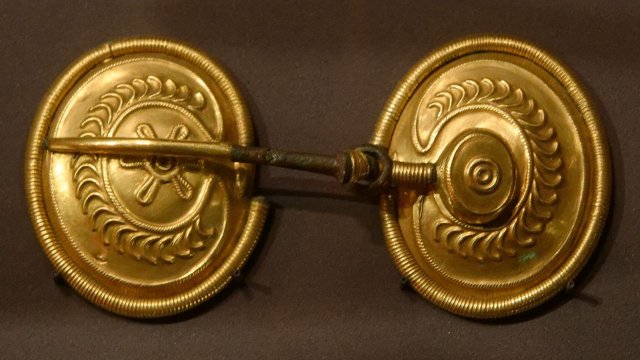
**Late Bronze Age Germanic fibula** (brooch for holding together garments), dated between 900-700 BCE. Original found in **Funen, Denmark**, the artifact is now housed in the National Museum in Denmark.
The object, which is bronze with gold covering, is though to depict the **Sun** and the **Moon** on each of its 2 parts, in accordance with the prominence of the celestial bodies during this period.
————————————————
“The sun, the sister of the moon, from the south
Her right hand cast over heaven's rim;
No knowledge she had where her home should be,
The moon knew not what might was his,
The stars knew not where their stations were.”
-Voluspa stanza 5 (Bellow’s translation)
-Hariwulfaz, the Sun Riders
@solarcult

Loch Etive, Scotland.

In Celtic entrances to mounds as well as Caves were often seen as portals to another, mystical world.
@CelticEsotericism

Frederick Samuel Beaumont (English, 1861-1954).
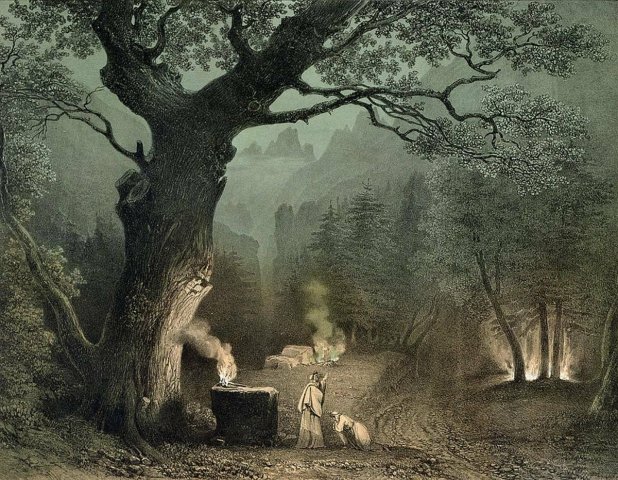
The Sacred Grove Of The Druids, From The Opera Norma by Vincenzo Bellini (1802-1835). By an unknown French artist. Wood engraving.

The Pleiades, 1885. Elihu Vedder (American, 1836-1923).
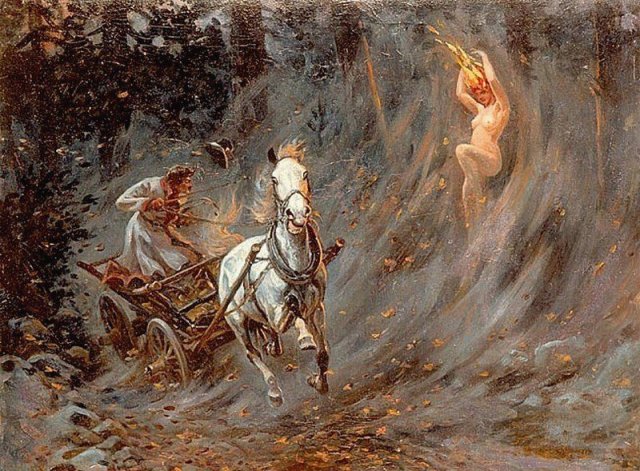
Przywidzenie (Delusion). Witold Pruszkowski (Polish, 1846-1896).

Tulip Valley, Crimea
Powered by Phoca Gallery