Europäisches Erbe
Alle Bilder sind Geschöpfe der Augen, die sie schauen. https://t.me/europeanart

July 21, 1800: Birth of Ignaz Raffalt, Austrian painter
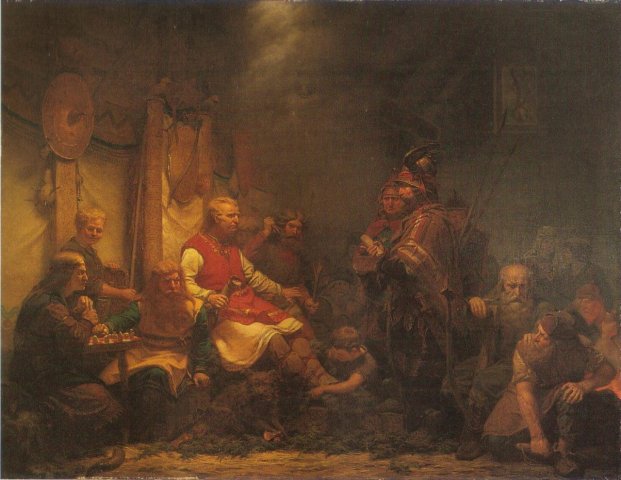
Johan August Malmstrom’s 1857 painting King Ælla’s Messenger Before Ragnar Lodbrok’s Sons depicts the arrival of the news of Loðbrók’s death at the Danish court.

Albert Edelfelt, Finnish artist - Queen Bianca (1877)

Aachen, Germany
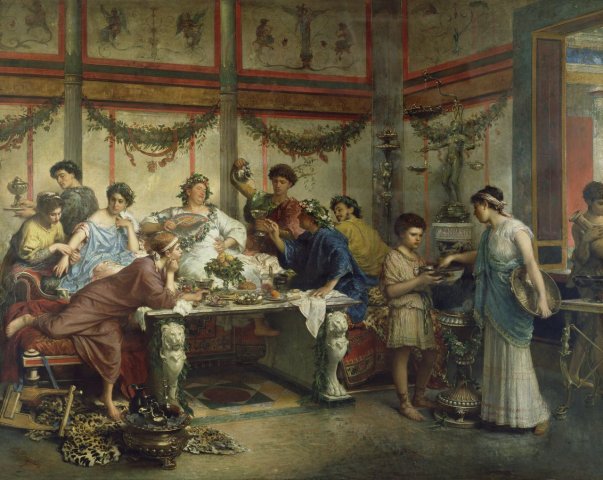
"A Roman Feast" by Roberto Bompiani (late XIXth century).
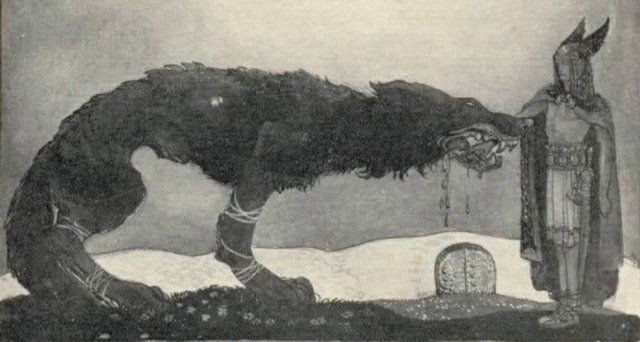
Happy Tiwesdæg everyone. The myth about Tyr and Fenrir is an interesting one. It is a clear demonstration of courage and bravery and there are many metaphors that can be made about showing fearlessness and binding the "beast within yourself" etc. but there are also some suspicious elements to it. The myth ties into Ragnarok, a highly christianized Norse "apocalypse" and Tyr's loss of his sword hand, the hand that also holds up the sun and moon in his role as the Skyfather, might be the result of Christian monkey business trying to twist the myth and weaken the Germanic victory god. Very telling of the Christianization of Northern Europe and Scandinavia specifically.
It is generally agreed that the Anglo-Saxon god Saxnōt is Tiwaz in his victory sword god image. This idea is supported with the poem where Brunhild teaches Sigurd to carve sigrúnar (victory runes) on his sword and invoke Tyr twice. The legendary sword Tyrfing also contains his name.

Gate of the Infinite by Legh Mulhall Kilpin, 1910
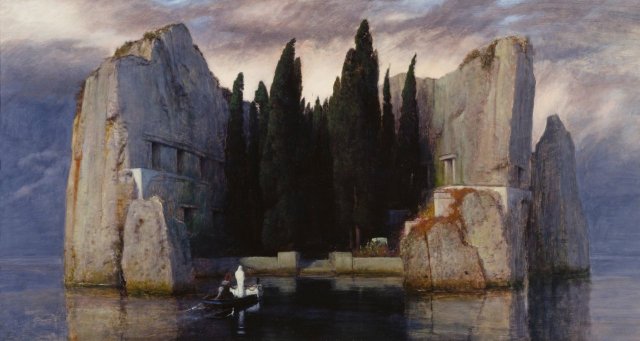
The Isle of the Dead by Arnold Böcklin, 1883
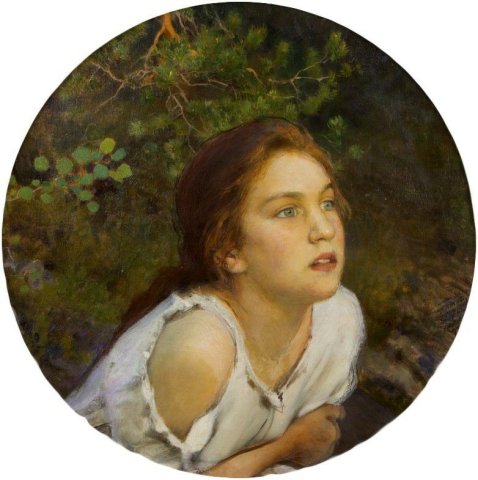
"Forest Girl" by Eero Järnefelt - 1894.
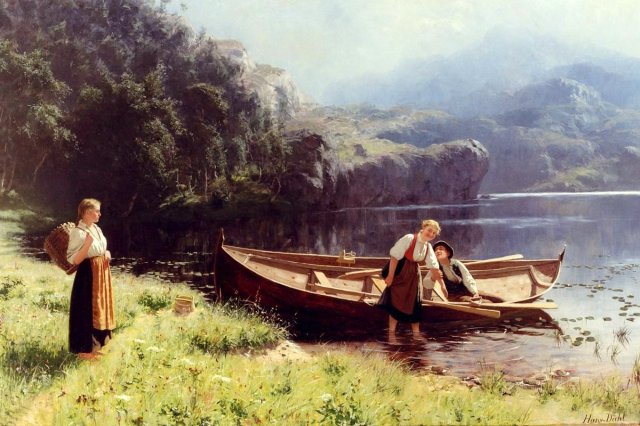
"By The Waters Edge" by Hans Dahl - c 1880.

"Lisbeth and Peonies" by Swedish artist Carl Larsson (1853-1919).
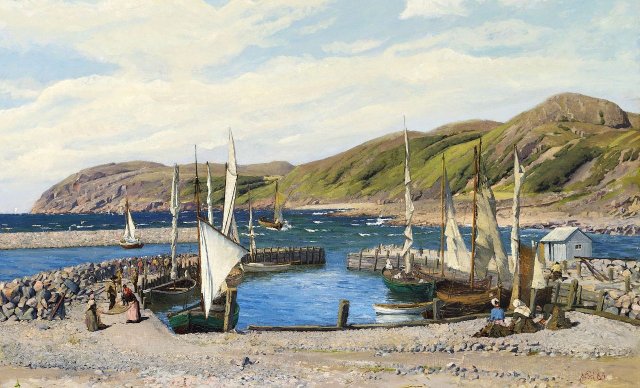
"Fishing village in Sweden" by Sigvard Hansen - 1885.
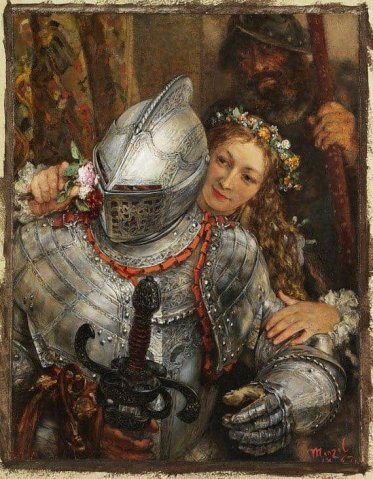
Adolph von Menzel - Blindekuh, 1867
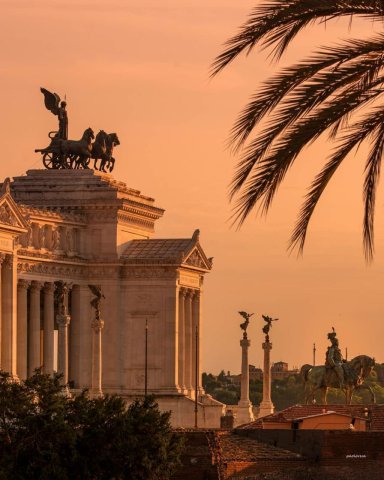
Monument of Victor Emmanuel II at sunrise, Rome, Italy
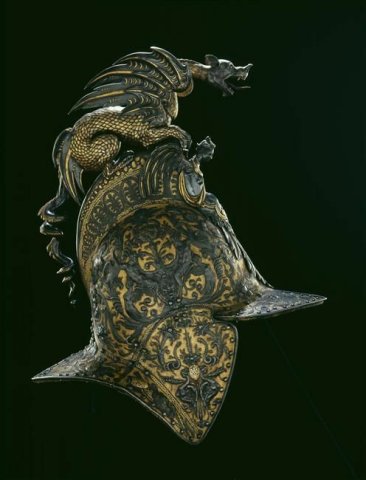
Helmet from Bourguignotte, France, around 1590-1600

Harz National Park, Germany
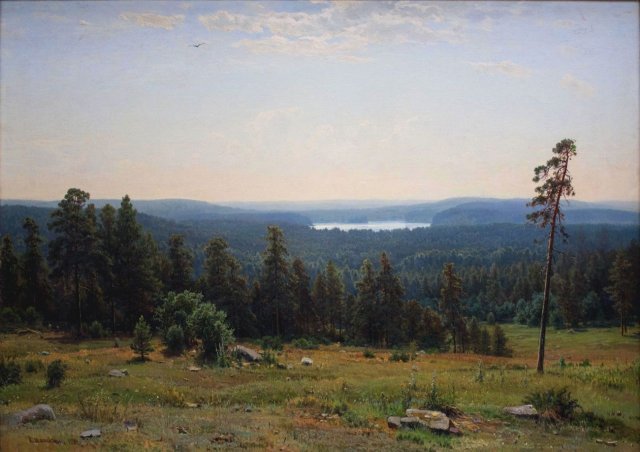
Forest Horizon, Ivan Ivanovich Shishkin

Versailles. “Mirror” at Trianon, Alexandre Benois
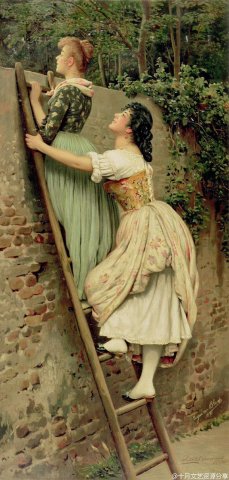
Eugene de Blaas

Eugene de Blaas
Powered by Phoca Gallery