
Europäisches Erbe
Alle Bilder sind Geschöpfe der Augen, die sie schauen. https://t.me/europeanart
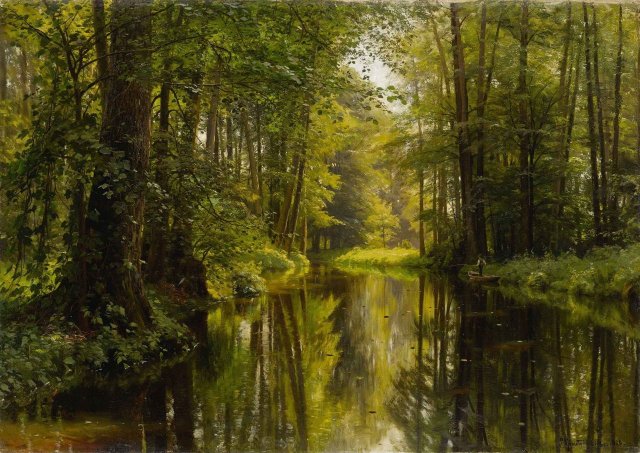
Fishing from a Punt - Peder Mørk Mønsted, 1910.
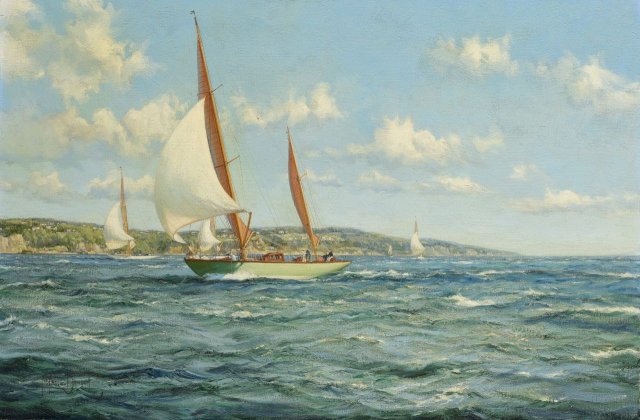
Bowling Along - Montague Dawson (1890–1973).
Ludwig van Beethoven’s “Ode to Joy” was composed in 1824, in the final movement of his last, and arguably most famous, symphony, Symphony No. 9. It was based in part on a poem about joy and jubilation towards life, victory and love.
The original poem, "An die Freude", was written in the summer of 1785 by German poet, playwright, and historian Friedrich Schiller.
A short excerpt in English: "Go on, brothers, your way, Joyful, like a hero to victory."
https://youtu.be/9BbQW1Ohof8

For Better or Worse - Rob Roy and the Baillie, 1886 By John Watson Nicol
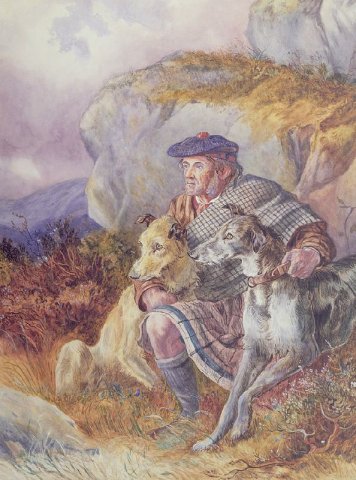
Ghillie and Deerhounds
by Richard Ansdell
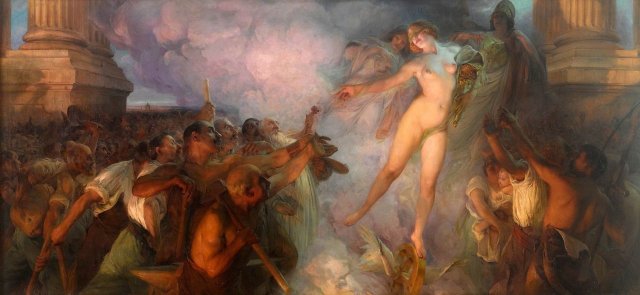
"La Fortune" by Paul François Quinsac (circa 1900)

Italy, Sudtirol, Monte Dolomiti
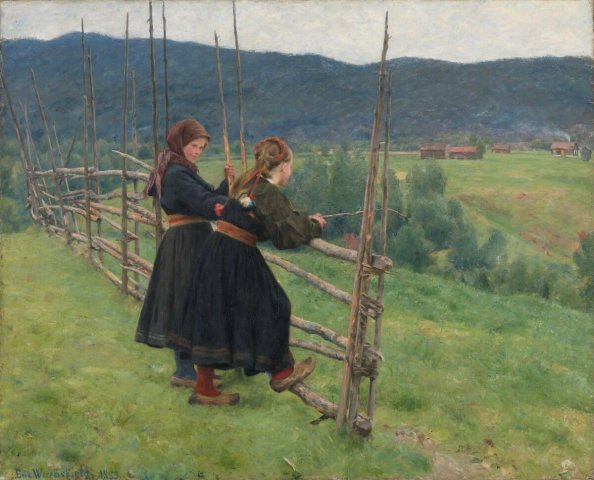
September by Erik Werenskiold, Norwegian painter.
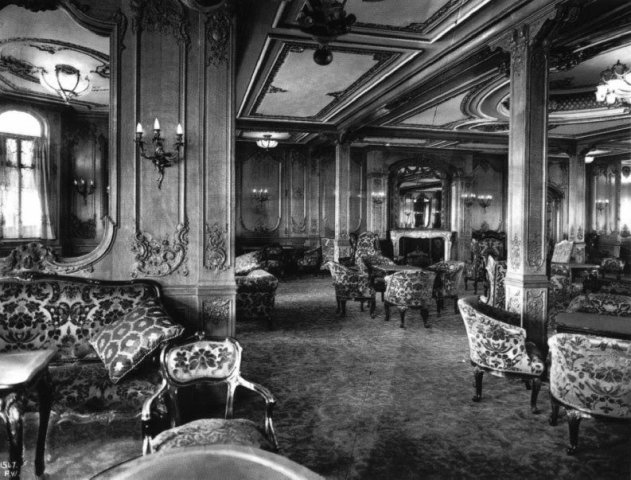
First Class Dining Room - The Titanic

Feeding the Little Ones - Bernard de Hoog, Netherlands
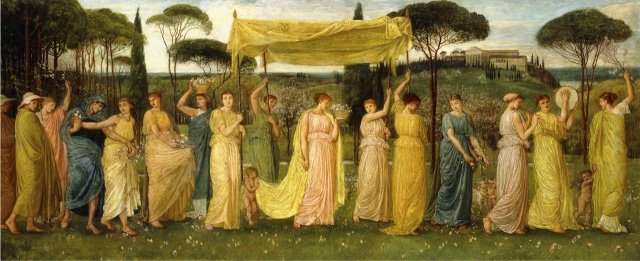
Walter T. Crane - The Advent of Spring (1873)
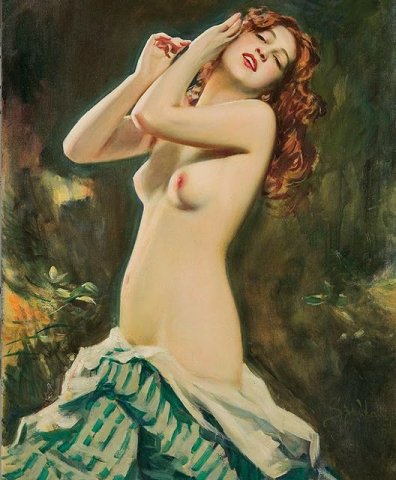
Red Haired Beauty
Art by Polish painter Bolesław Szańkowski (1873 - 1953)
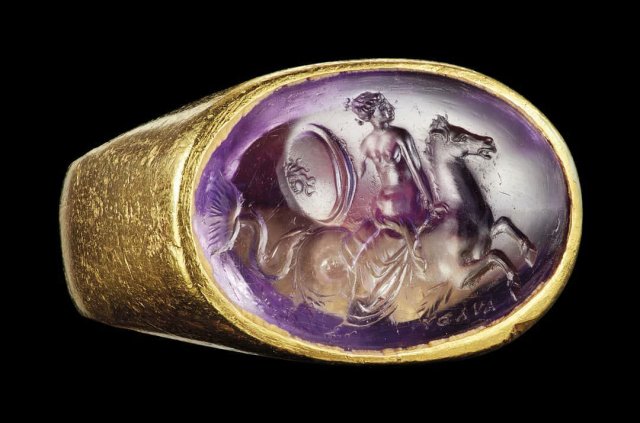
Ancient Roman gold finger ring with a large ametrine gemstone, engraved with Thetis riding a hippocamp. Date- 1st century BC.
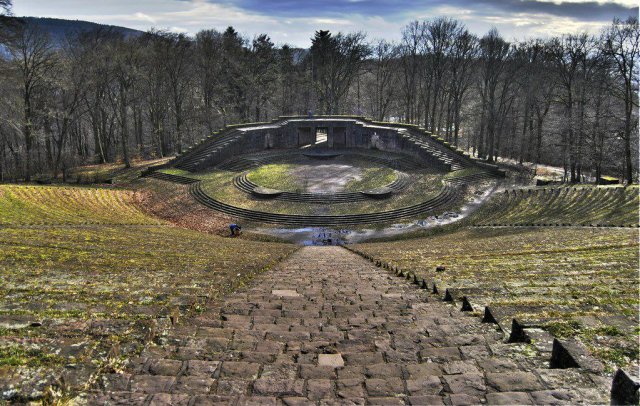
The Heidelberg Thingstätte is an open-air theatre on the Heiligenberg in Heidelberg, Baden-Württemberg, Germany. It was built from an existing ancient site during the Third Reich for performances and events as part of the Thingspiel movement. It is a protected cultural monument.

The Thing was a Germanic council meeting where affairs of justice and war were negotiated. It took place at specific times, mostly new moon or full moon.
This Jutish Thing site in the very north of Germany was used until the 19th century and now reconstructed.
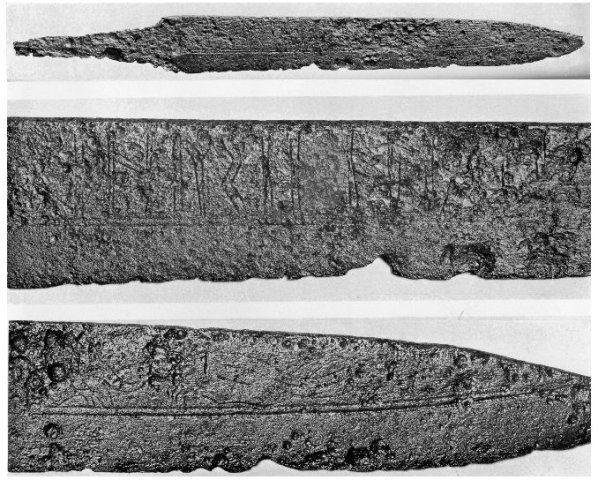
Baiuvarian 6th century short seax found in a graveyard at Steindorf (Bavaria).
The runic inscription might read Husibald or Hūsiwald.
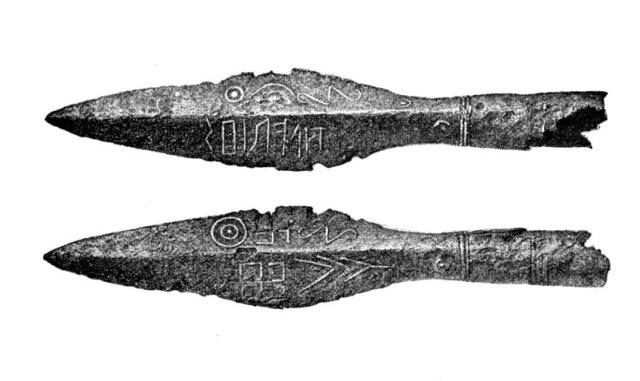
⚔️ Spearhead from Kovel. 3rd century CE, Gothic runic insriptions with elder futhark. ⚔️ #teutonicpaganism #Germanicpeople #Aryansim
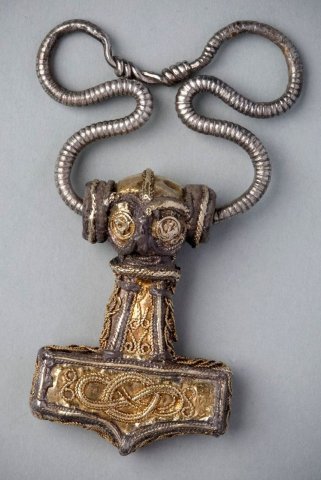
Mjölnir pendant, found in Östergötland, Sweden. 10-11th century. One of the finest examples of it's kind.
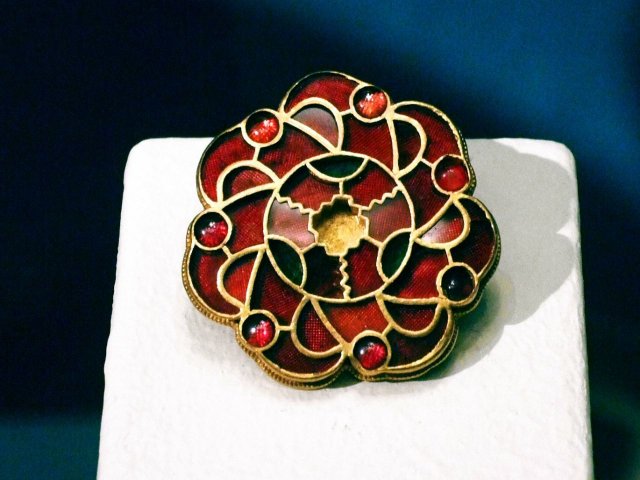
Brooch found with other grave goods, from the burial of a woman, found in a grave field in Mecklenburg-Vorpommern, Germany. 5-6th century, Langobard.
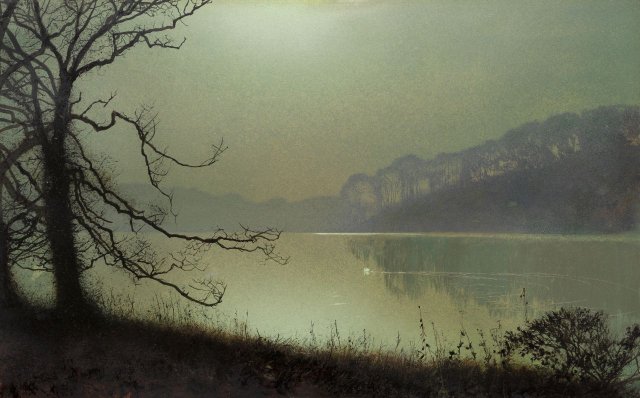
"At the Lakeside, Moonlight" - John Atkinson Grimshaw
Powered by Phoca Gallery