Europäisches Erbe

Alle Bilder sind Geschöpfe der Augen, die sie schauen.
https://t.me/europeanart
More from Konstantin Vasilyev

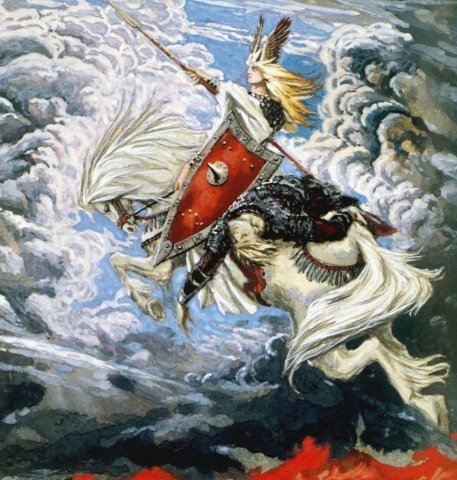
Konstantin Vasilyev (Russian, 1942-1976)

Sventovit

Konstantin Vasilyev (Russian, 1942-1976)Sventovit
Konstantin Vasilyev (Russian, 1942-1976) Sventovit

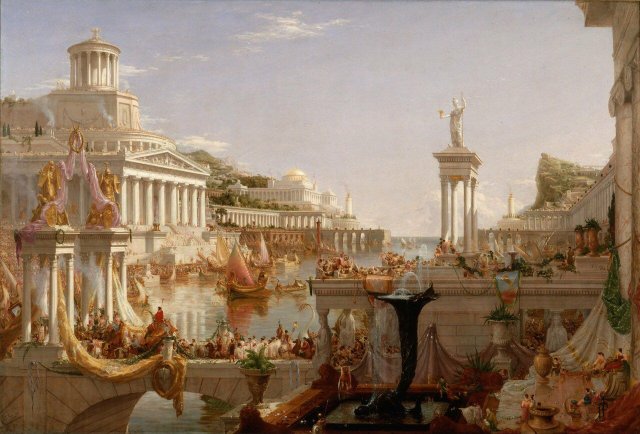
The Course of Empire, a five-part series of paintings by Thomas Cole (1833–36)
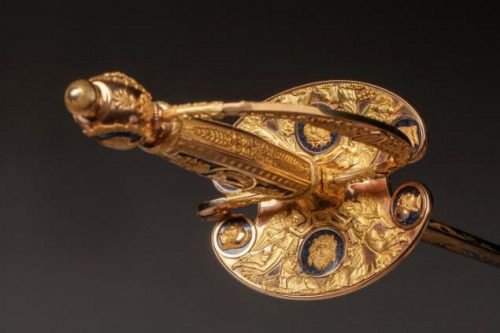
Gilded handle of a sword.

Ernst Liebermann
Ernst Liebermann
Ernst Liebermann
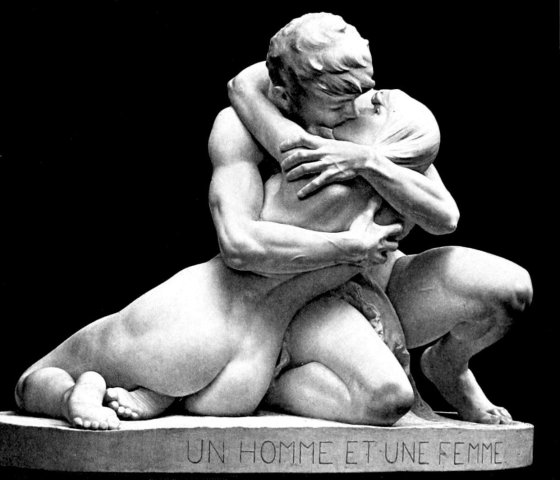
Stephan Sinding - Un homme et une femme
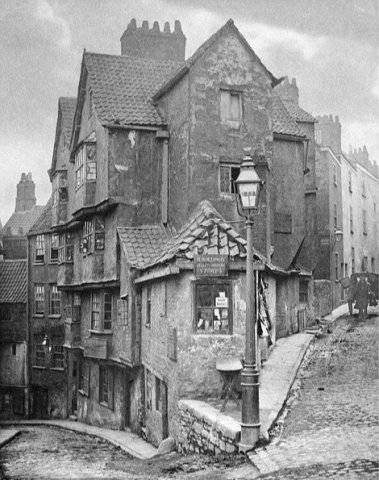
??????? The junction of Steep Steet and Trenchard Street in Bristol, England, 1866

"In Hagia Sophia's second floor. 
It says 'Halfdan was here'. 

A Viking commander (Varangian Guard) engraved it some time between the 9th and 11th century."

https://t.co/6YMS5hsZn7
https://t.co/hQVF
"In Hagia Sophia's second floor. It says 'Halfdan was here'. A Viking commander (Varangian Guard) engraved it some time between the 9th and 11th century."https://t.co/6YMS5hsZn7https://t.co/hQVF1HGcnw
"In Hagia Sophia's second floor. It says 'Halfdan was here'. A Viking commander (Varangian Guard) engraved it some time between the 9th and 11th century." https://t.co/6YMS5hsZn7 https://t.co/hQVF1HGcnw

Beethoven: Bagatelle in A Minor, WoO 59 "Für Elise"

The score was not published until 1867, forty years after the composer's death in 1827.

https://youtu.be/fttyra958vM
Beethoven: Bagatelle in A Minor, WoO 59 "Für Elise"The score was not published until 1867, forty years after the composer's death in 1827.https://youtu.be/fttyra958vM
Beethoven: Bagatelle in A Minor, WoO 59 "Für Elise" The score was not published until 1867, forty years after the composer's death in 1827. https://youtu.be/fttyra958vM
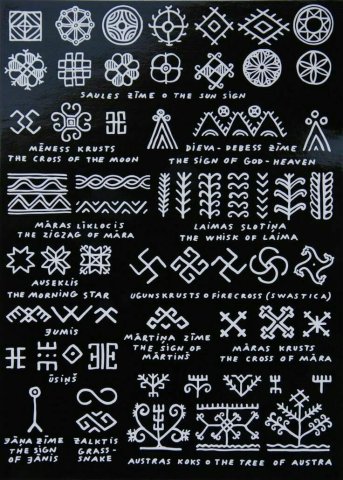
Baltic folk symbols and designs.
Suite Bergamasque, L. 75: III Clair De Lune - By Claude Debussy

https://youtu.be/1o9hxfqag8w
Suite Bergamasque, L. 75: III Clair De Lune - By Claude Debussyhttps://youtu.be/1o9hxfqag8w
Suite Bergamasque, L. 75: III Clair De Lune - By Claude Debussy https://youtu.be/1o9hxfqag8w
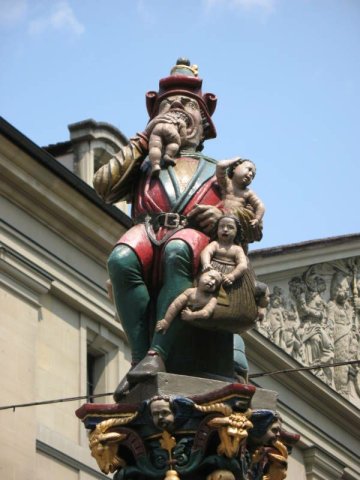
The Child Eater of Bern:

One origin theory is that the statue was erected as a warning to the Jewish community of Bern, Switzerland. 

During the Middle Ages, there were many rumors that jews engaged
The Child Eater of Bern:One origin theory is that the statue was erected as a warning to the Jewish community of Bern, Switzerland. During the Middle Ages, there were many rumors that jews engaged in the ritualistic murder, blood letting, and torture of children. Human sacrifice and cannibalism of Christian children were seen a threat to Christian communities, same as today. The Kindlifresser (child eater) represents a jewish man eating children. The statue wears a yellow pointed Judenhut. A hat that jews were forced to wear at that time.
The Child Eater of Bern: One origin theory is that the statue was erected as a warning to the Jewish community of Bern, Switzerland. During the Middle Ages, there were many rumors that jews engaged in the ritualistic murder, blood letting, and torture of children. Human sacrifice and cannibalism of Christian children were seen a threat to Christian communities, same as today. The Kindlifresser (child eater) represents a jewish man eating children. The statue wears a yellow pointed Judenhut. A hat that jews were forced to wear at that time.
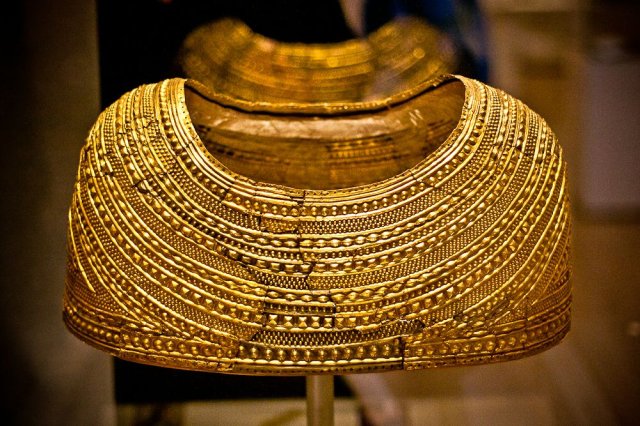
The Mold cape is a solid sheet-gold object dating from about 1900–1600 BC in the European Bronze Age. It was found at Mold in Flintshire, Wales, in 1833.

 
Powered by Phoca Gallery