Europäisches Erbe

Alle Bilder sind Geschöpfe der Augen, die sie schauen.
https://t.me/europeanart
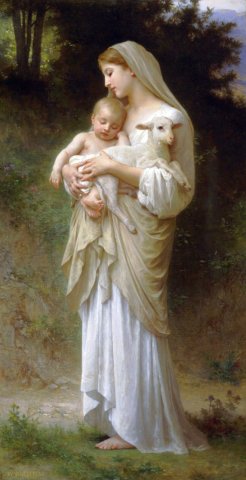
Innocence - William Bouguereau
Wagner began sketching ideas for the libretto of Der Ring des Nibelungen in the revolutionary year of 1848. It eventually became a cycle of four operas, for which the Bayreuth Festspielhaus was buil
Wagner began sketching ideas for the libretto of Der Ring des Nibelungen in the revolutionary year of 1848. It eventually became a cycle of four operas, for which the Bayreuth Festspielhaus was built. The full cycle did not premiere until 1876, but Wagner had portions of it completed long before then, and selections from Acts I and III of the second of the four operas, Die Walküre (The Valkyrie), were first given on the same concert in Vienna at the end of 1862 as the early Meistersinger excerpts.The Valkyries are Wotan’s daughters (with Erda, the earthy wisdom goddess) and chief among them is his favorite, Brünnhilde. At the beginning of Act III of Die Walküre they are gathered on a mountaintop, collecting slain heroes to take to Valhalla. “The Ride of the Valkyries” on their flying horses is depicted in fiercely martial music of swirling strings and trilling woodwinds, as unison brass blaze a motif associated with Brünnhilde.Brünnhilde, however, is missing at first. When she appears, she is carrying a woman, not a fallen warrior. In defiance of her father’s orders, Brünnhilde attempted to protect Wotan’s illegitimate son Siegmund and is now fleeing with Sieglinde, Siegmund’s twin sister and lover, pregnant with the future hero Siegfried. Wotan arrives in fury, dispersing the other Valkyries. For her disobedience, Brünnhilde is cast out of the Valkyries and will be put into a magical sleep on the mountain, available to the first man who finds her. Brünnhilde pleads with her father, asking that she at least be surrounded by a fire that would keep away all but the bravest of heroes.Wotan embraces his daughter for the last time, and kisses her eyes to sleep. His deeply affecting “Farewell” brings up loving memories as well as regrets in reflection on his struggle to undo the curse of the Ring that he himself incurred. The scene is an emotional crescendo of grief. At the end, Wotan summons the fire god Loge to blaze around the rock where Brünhilde lies. The flames spread in the flickering “Magic Fire Music,” derived mostly from Loge’s own motif and brilliantly orchestrated.1. Ride of the Valkyries: https://youtu.be/GGU1P6lBW6Q2. Wotan's Farewell: https://youtu.be/7pTaH8USQH4
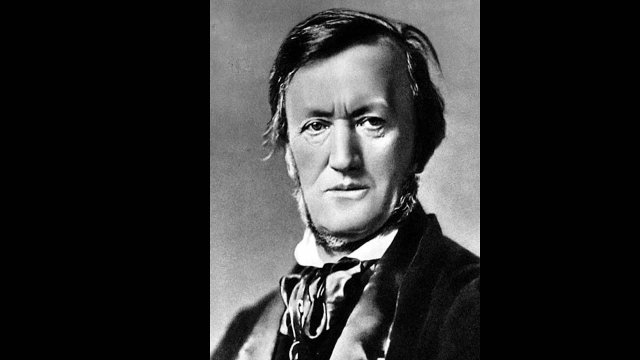
Wagner began sketching ideas for the libretto of Der Ring des Nibelungen in the revolutionary year of 1848. It eventually became a cycle of four operas, for which the Bayreuth Festspielhaus was built. The full cycle did not premiere until 1876, but Wagner had portions of it completed long before then, and selections from Acts I and III of the second of the four operas, Die Walküre (The Valkyrie), were first given on the same concert in Vienna at the end of 1862 as the early Meistersinger excerpts. The Valkyries are Wotan’s daughters (with Erda, the earthy wisdom goddess) and chief among them is his favorite, Brünnhilde. At the beginning of Act III of Die Walküre they are gathered on a mountaintop, collecting slain heroes to take to Valhalla. “The Ride of the Valkyries” on their flying horses is depicted in fiercely martial music of swirling strings and trilling woodwinds, as unison brass blaze a motif associated with Brünnhilde. Brünnhilde, however, is missing at first. When she appears, she is carrying a woman, not a fallen warrior. In defiance of her father’s orders, Brünnhilde attempted to protect Wotan’s illegitimate son Siegmund and is now fleeing with Sieglinde, Siegmund’s twin sister and lover, pregnant with the future hero Siegfried. Wotan arrives in fury, dispersing the other Valkyries. For her disobedience, Brünnhilde is cast out of the Valkyries and will be put into a magical sleep on the mountain, available to the first man who finds her. Brünnhilde pleads with her father, asking that she at least be surrounded by a fire that would keep away all but the bravest of heroes. Wotan embraces his daughter for the last time, and kisses her eyes to sleep. His deeply affecting “Farewell” brings up loving memories as well as regrets in reflection on his struggle to undo the curse of the Ring that he himself incurred. The scene is an emotional crescendo of grief. At the end, Wotan summons the fire god Loge to blaze around the rock where Brünhilde lies. The flames spread in the flickering “Magic Fire Music,” derived mostly from Loge’s own motif and brilliantly orchestrated. 1. Ride of the Valkyries: https://youtu.be/GGU1P6lBW6Q 2. Wotan's Farewell: https://youtu.be/7pTaH8USQH4
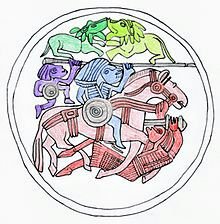
On the left a detail of the reconstructed **Anglo-Saxon** helmet found at __Sutton Hoo__, Suffolk. It is widely believed to have belonged to King Rædwald of East Anglia.

On the right the __Plietzhau
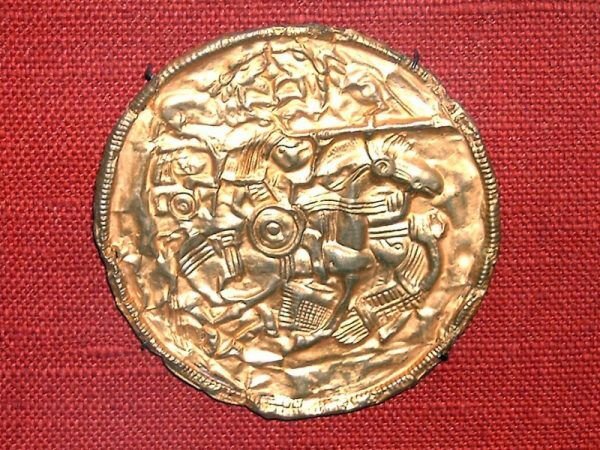
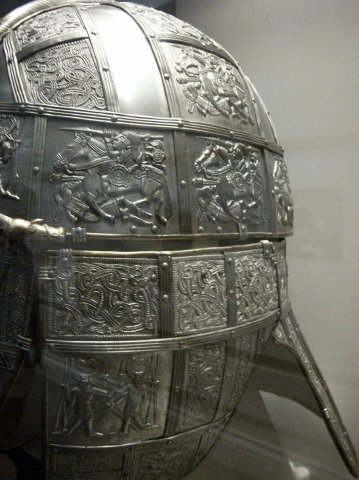
On the left a detail of the reconstructed **Anglo-Saxon** helmet found at __Sutton Hoo__, Suffolk. It is widely believed to have belonged to King Rædwald of East Anglia.On the right the __Plietzhausen brooch__, found in an **Alemanic** woman's grave in southwestern Germany. Originally, the motive bearing disk of the brooch most likely had a larger diameter and is believed to have been part of a horse harness.Both artifacts are roughly from the same time period, early 7th century.The little figure behind the rider, holding the spear, is believed to a be __Victory Helper__ spirit (__Sieghelfer__).
On the left a detail of the reconstructed **Anglo-Saxon** helmet found at __Sutton Hoo__, Suffolk. It is widely believed to have belonged to King Rædwald of East Anglia. On the right the __Plietzhausen brooch__, found in an **Alemanic** woman's grave in southwestern Germany. Originally, the motive bearing disk of the brooch most likely had a larger diameter and is believed to have been part of a horse harness. Both artifacts are roughly from the same time period, early 7th century. The little figure behind the rider, holding the spear, is believed to a be __Victory Helper__ spirit (__Sieghelfer__).
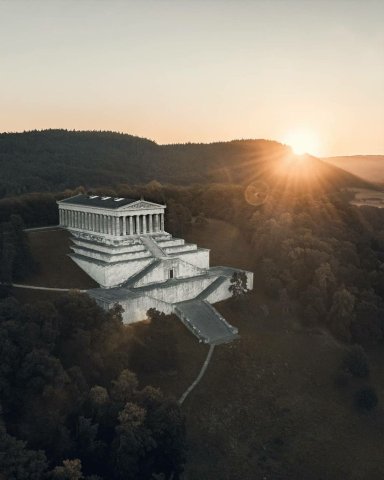
Absolutely amazing. Fit for the gods themselves: Walhalla, Bavaria, Germany
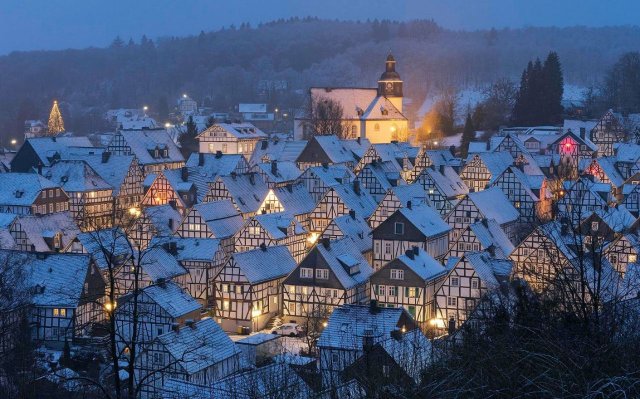
The Half-Timbered Houses of Freudenberg, Germany
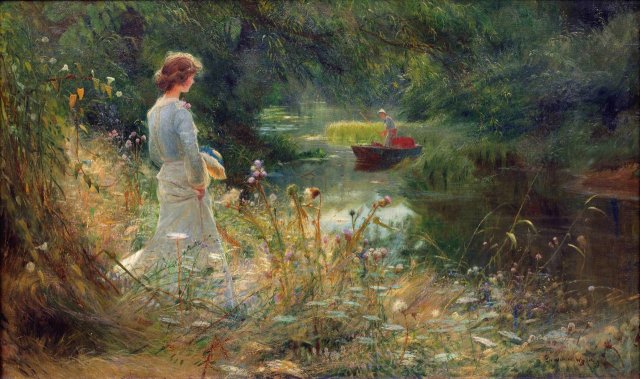
« The Backwater » Charles William Wyllie
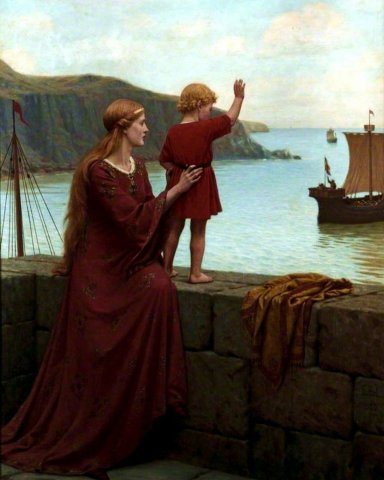
Edmund Leighton - The Farewell
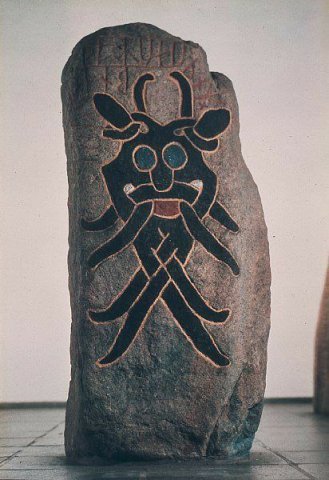
Danish Runic Inscription 66 or DR 66, also known as the Mask stone, is a granite Viking Age memorial runestone that was discovered in Aarhus, Denmark. The inscription features a facial mask a
Danish Runic Inscription 66 or DR 66, also known as the Mask stone, is a granite Viking Age memorial runestone that was discovered in Aarhus, Denmark. The inscription features a facial mask and memorializes a man who died in a battle.
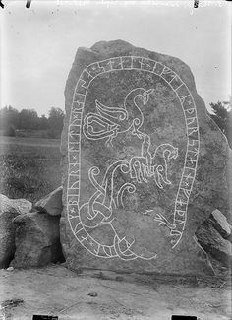
Runestone (U 448) at Harg. The inscription says: "Igul and Björn had the stone raised in memory of Torsten, their father". - Rune stone, Harg, Uppland, Sweden
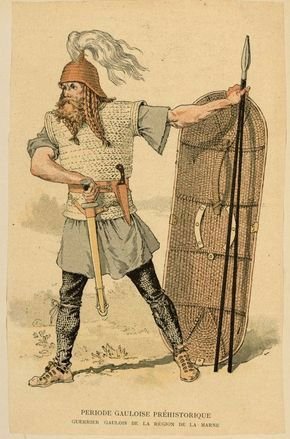
Prehistoric Gaulish period: Gallic warrior from the Marne region. 1910
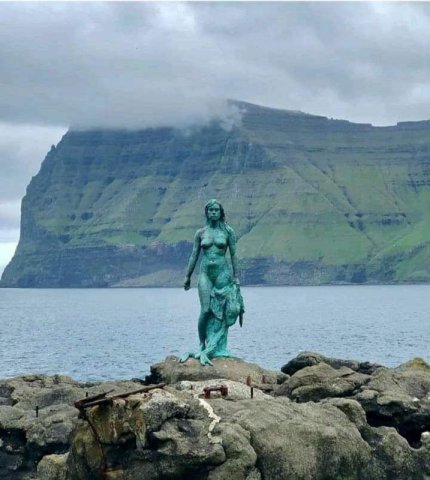
The Seal Wife on Faroe Islands - statue by Hans Pauli Olsen.
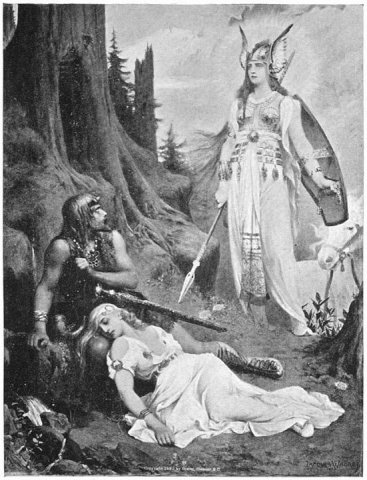
Sigmund and Brunhild
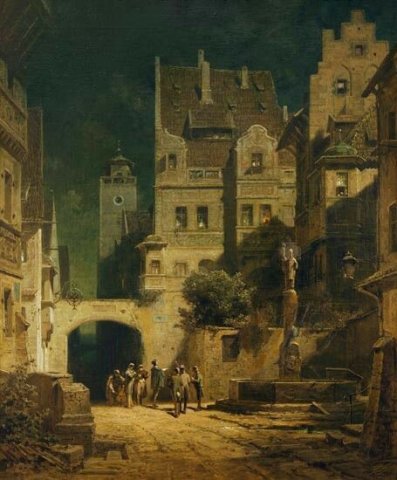
Moonlight, Carl Spitzweg
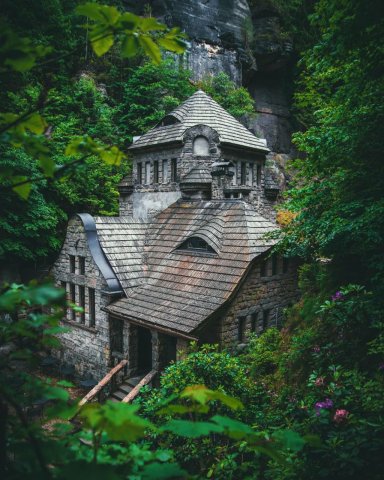
Hřensko, Czechia
Hřensko, Czechia
Hřensko, Czechia
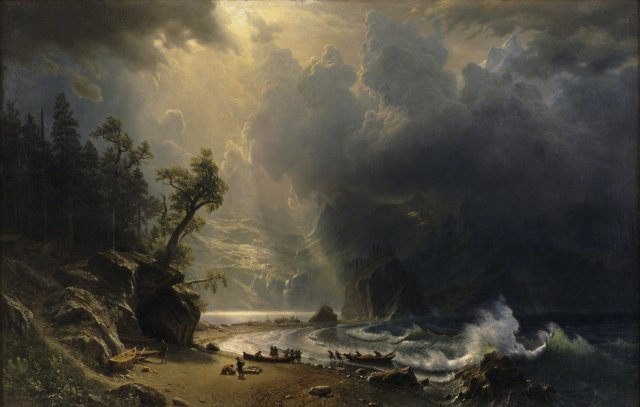
Albert Bierstadt (German-American, 1830-1902)

Puget Sound on the Pacific Coast
Albert Bierstadt (German-American, 1830-1902)Puget Sound on the Pacific Coast
Albert Bierstadt (German-American, 1830-1902) Puget Sound on the Pacific Coast
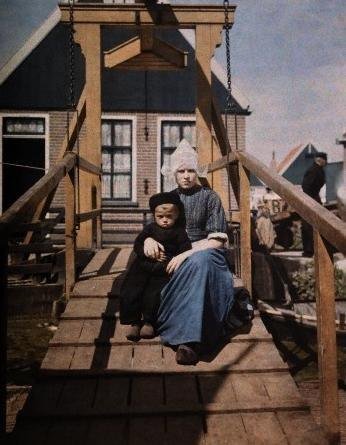
?? Sitting on a bridge in a small town in the Netherlands, c. 1920s, autochrome.
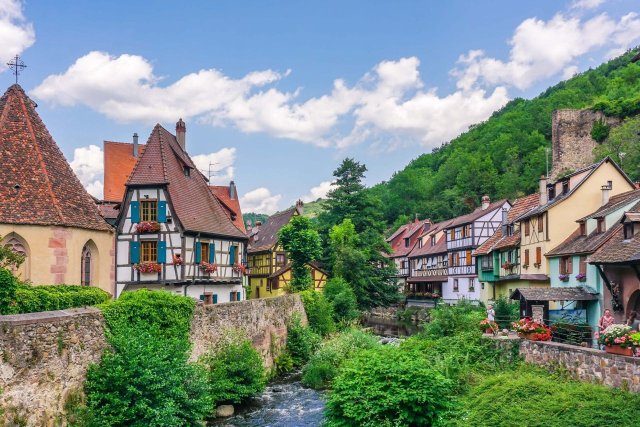
Kaysersberg, France.
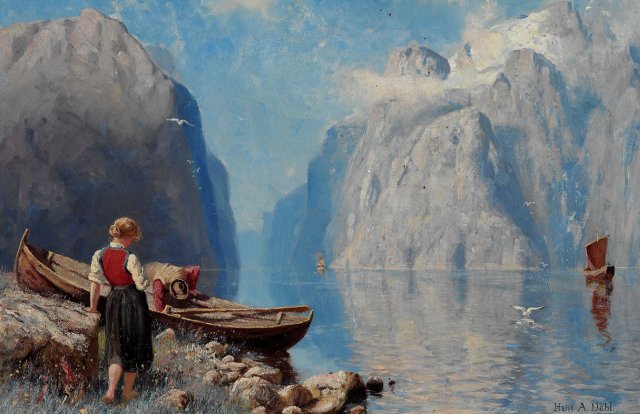
Hans Dahl
Hans Dahl
Hans Dahl
 
Powered by Phoca Gallery